
Blog Posts

How to Be a Minimalist at University-image

Practicing minimalism at university makes sense: it allows you to take advantage of a small living space, controls how much you spend, and reduces clutter. Many students are attracted to minimalism because it helps them stay organized, prevents distractions, and leads to a more sustainable lifestyle. To embrace minimalism in your own life, here are a few things you can do.   1. Don’t Bring Much with You   Set yourself up for success with a minimalist lifestyle by bringing as few things as possible to your student apartment. Rather than packing up your entire bedroom, think carefully about whether you need each particular item .   2. Create a Minimalist Wardrobe   Bring clothing to university that you can mix and match to create different outfits. Your wardrobe should consist of mostly everyday clothing and just a couple items of formalwear for things like job fairs, interviews, and nights out when you want to dress up.   3. Organize Clothing Swaps   Avoid becoming bored with your clothing by organizing clothing swaps with other students. This is a great way to find new clothes without spending anything. If you let enough people know, it can turn into a big event, meaning you’ll have plenty of clothing to choose from.   4. Share with Roommates   It makes sense to share many of the items for your living room and kitchen with your roommates. Before you move into your student apartment, talk to your roommates about what each of you will be bringing to ensure you don’t have multiples of things you can share.   5. Choose Electives That Don’t Require Extra Materials   Many artistic electives require you to purchase supplies that you won’t need for any other classes. Try to steer clear of these electives, picking ones that don’t need any extra materials. This shouldn’t mean you need to avoid all the creative electives — options like acting, graphic design, dance, and creative writing are unlikely to require any supplies you don’t already have.   6. Explore Hobbies That Need Minimal Equipment   Another way to reduce your need for supplies is to choose your hobbies carefully. University is a great time to explore new hobbies through things like clubs and intramural sports teams. Many require little or no equipment — examples include swimming, yoga, programming, drawing, and many volunteer opportunities.   7. Borrow Instead of Buying   When you do need supplies, find out if you can borrow them. You may be able to borrow from friends; if not, look into rental services. This is ideal for things you won’t need for long, such as textbooks, tools, appliances, and even clothing for special events .   8. Turn Down Freebies   It’s common for campuses to offer all sorts of free things to students, including pens, water bottles, and T-shirts. You’ll likely want to have at least one thing featuring your school’s name and logo — but you don’t need to take everything on offer. Only accept what you do need. For instance, one water bottle is likely to be enough.   9. Read Digital Books   If you’re an avid reader, you’ll soon have shelves full of books — unless you switch to digital versions. You can even find digital textbooks for many of your classes that you can still highlight and annotate. Better yet, most digital books are significantly cheaper than physical copies.   You can be a bit more lenient about leading a minimalist lifestyle if you have plenty of space. For spacious apartments near McMaster, there’s West Village Suites. You won’t need to spend much to make your space feel like home — our apartments come fully furnished and you’ll find everything else you need on site, including a fitness center, study lounges, and a games room. Contact us now to request a lease.  

Read more


A Bucket List for Incoming University Freshmen-image

You’ll have many great experiences organically at university. All the same, it’s worthwhile coming up with a bucket list to ensure you don’t miss out on any opportunities you’ll only have while you’re a student. Here are some ideas to consider.   1. Take a Picture with Your Mascot   The thing that best represents your school is its mascot. Make sure you find the chance to take a photo with your mascot to show your connection to your university. This will be a great picture to include in a collage of all your top memories.   2. Participate in Some of Your School’s Traditions   All schools have their own unique traditions. Find out what traditions your school has and participate in them the first chance you have. For instance, McMaster has the most photographed spot on campus at Edwards Arch. Make sure you take a photo here yourself.   3. Drop into a Random Lecture   At some point during the semester, when you have nothing else to do, drop into a lecture without anyone noticing you. You’ll certainly learn something and — who knows? — you may even feel inspired, which could influence what electives you take the following semester.   4. Go to a Career Fair   Even if you’re a few years away from seriously thinking about your career, it’s worthwhile to go to one of the career fairs on campus. These are great chances for networking with employers and for finding out about opportunities — including internships for while you’re still at university. Make sure you come prepared in a professional outfit and with copies of your resume.   5. Publish Something with a Campus Organization   Get involved with campus organizations to find out if you could publish something. Remember, publishing is not just for writers — as well as op-eds, poetry, and short stories, you could consider publishing photographs or a podcast episode. Since clubs are always looking for more material to publish, there should be many opportunities.   6. Join an Intramural Sports Team   No matter if you’ve always been a student athlete or you’ve never played sports before unless you had to, make sure you sign up at least one intramural sports team during university. This is your chance to practice a sport you’ve always enjoyed or try something completely new while staying fit.   7. Eat at All the Local Places   Aim to try all the food available in the area — on campus and in your neighbourhood . This will ensure you don’t miss anywhere that could have become your favourite spot. To avoid breaking the bank, remember you have plenty of time to spread this bucket list item out over the several years you’re at university.   8. Take a Road Trip   Organize a road trip to take with your university friends to give you a special memory together before you all go your separate ways. The road trip could last just a weekend or be several days long. Head to somewhere like a nearby beach, lake, or mountain or just start driving with no destination in mind.   One more thing to put on your list is finding a great place to live. Start looking before you start university to avoid needing to share a cramped room on campus. A great alternative to McMaster residence is West Village Suites. We have two- and five-bedroom apartments with upgraded furniture where you can entertain, relax, and study. You can also take advantage of a range of great amenities on site, including a yoga studio, fitness facilities, dedicated study spaces, and the contactless concierge service. Contact us for information about leases.  

Read more
7 Budget-Friendly Spring Break Hotspots-image

Traveling with friends from university is one of the best ways to take advantage of your time off over spring break. However, you may not have much money to spend on flights, accommodation, and activities. The good news is there are budget-friendly hotspots with great weather, food, and culture around the world, meaning you can definitely find somewhere you’d like to visit within your price range.   1. Panama City, Florida   For the classic spring break experience, head to Panama City, Florida. This is the ideal place for you if you love sunshine and parties on the beach. Book early to find good deals on hotels.   2. Puerto Rico   Although it’s a U.S. territory, Puerto Rico feels completely different to the mainland. Since the island is small, you can explore most of it over a spring break. You’ll likely want to stay in San Juan, which is a big party town with plenty of options for accommodation suitable for students. You’re also spoiled for choice when it comes to beaches — go just a short distance from the capital and you’ll find long stretches of sand where there are barely any other tourists.   3. Bolivia   A lesser-known destination to consider is Bolivia. Although the flight may be a little expensive, spring break is not yet the high season, which means prices when you arrive will be reasonable. Since the rainy season will be just about coming to an end , you can start enjoying activities like hiking, whitewater rafting, and wildlife tours in the rainforest.   4. Costa Rica   Another top choice in Latin America for students is Costa Rica. Although it’s a small country, it’s packed with possible destinations . With a little research, you should be able to find affordable accommodation (often with breakfast included) and avoid tourist traps. Spring break is the ideal time to visit because it’s before the rainy season, when many roads become inaccessible.   5. Savannah, Georgia   A more unique destination for spring break is Savannah, Georgia. The city is packed with culture and has many restaurants serving delicious southern food. Plus, it’s just a short distance from Tybee Island, where you can spend your days lounging on the beach.   6. Vietnam   If you can afford a plane ticket to Asia, a particularly inexpensive destination is Vietnam. Although it’s becoming a more popular tourist spot, it’s still easy to find cheap accommodation for backpackers. A top place to visit is Con Dao National Park — a natural reserve on an island where you’ll encounter wildlife like sea turtles.   7. Thailand   Another option in Asia is Thailand. This is especially popular with students who are willing to share rooms in hostels to save money for adventure sports like rafting and kayaking.   8. Niagara Falls   If you’re only able to afford a trip to somewhere nearby, you may like to go to Niagara Falls. If you haven’t visited yet, spring break is a good opportunity to change that. Use the chance to see some of New York state as well — you may be able to find cheap hotels in Buffalo.   Save money throughout the year to increase your travel budget by reducing how much you spend on living expenses. You can find affordable McMaster off-campus housing at West Village Suites. We have a range of floor plans for you to choose from to suit every budget. Plus, the rent includes all utilities and WiFi — meaning no unexpected costs. Contact us for more information.  

Read more
6 Quick Recipes to Make in Your Student Apartment-image

Eating well doesn’t need to be time consuming, difficult, or expensive. These simple recipes are ideal for preparing in your student apartment when you want to mix things up for breakfast, a light lunch, or a quick snack.   1. Scrambled Eggs   One of the easiest options for breakfast is scrambled eggs. To make your meal more interesting, add something on the side or mix in some extra ingredients with the eggs. Options include avocado toast, grated cheese, potatoes, ham, and all sorts of veggies, including mushrooms, spinach, tomato, and onion.   2. Breakfast Cookie   Prepare a high-protein breakfast for yourself in the microwave. To make this breakfast cookie, mash up half a banana and mix it in a mug with a generous serving of peanut butter, some milk, and a little honey or agave to sweeten. Then, add around four tablespoons of oats and (to make it more interesting) some raisins, nuts, or seeds. Microwave the mixture for 45 seconds to a minute — the top will become firm when it’s ready to eat. Enjoy it while it’s still warm.   3. Overnight Oats   If knowing you have something delicious waiting for you will help you get out of bed in the morning, prepare some overnight oats. Combine rolled oats and milk with your choice of fruit (blueberries, strawberries, and diced peaches are ideal). For extra flavor, throw in some flaxseed, chia, cinnamon, maple syrup, coconut, or almond butter.   4. Vegetarian Burrito Bowl   It’s easier than you may think to prepare your own burrito bowl. To make it nutritious and inexpensive, try a vegetarian recipe. All you need is brown rice (you can buy it precooked if you want to save time), canned black beans, sour cream (or Greek yogurt if you want to make it healthier), cheese, and avocado.   5. No-Bake Bars   Prepare some oat bars for breakfast or for snacks throughout the day without any baking. Just combine rolled oats, flaxseed, coconut flakes, pecans, and cinnamon in a bowl. Then, melt some peanut butter and maple syrup in a saucepan and pour it over the mixture. Stir everything together and wait a couple minutes for it to cool. Once it has cooled, throw in some chocolate chips and stir the mixture again. Transfer it to a pan, flatten it down, and put it in the refrigerator. After 30 minutes, it will be ready to cut into squares and enjoy.   6. Rosemary and Olive Oil Popcorn   For your next movie night, give your regular popcorn a twist. Purchase kernels that pop on the stove and heat them in a saucepan with a lid in some olive oil. Once they start popping, add a sprig of rosemary to give the popcorn flavor without adding anything unhealthy.   To prepare these meals, you will at least need a kitchen — which is not something you’ll have living on campus. It’s time to improve your living situation by looking for rooms for rent. Hamilton has a student community at West Village Suites. Choose between floor plans with two and five bedrooms, all of which come with upgraded furniture, sufficient storage space, and fast Wi-Fi. Contact us for a lease.  

Read more
Meditation & Mindfulness Tips for Students-image

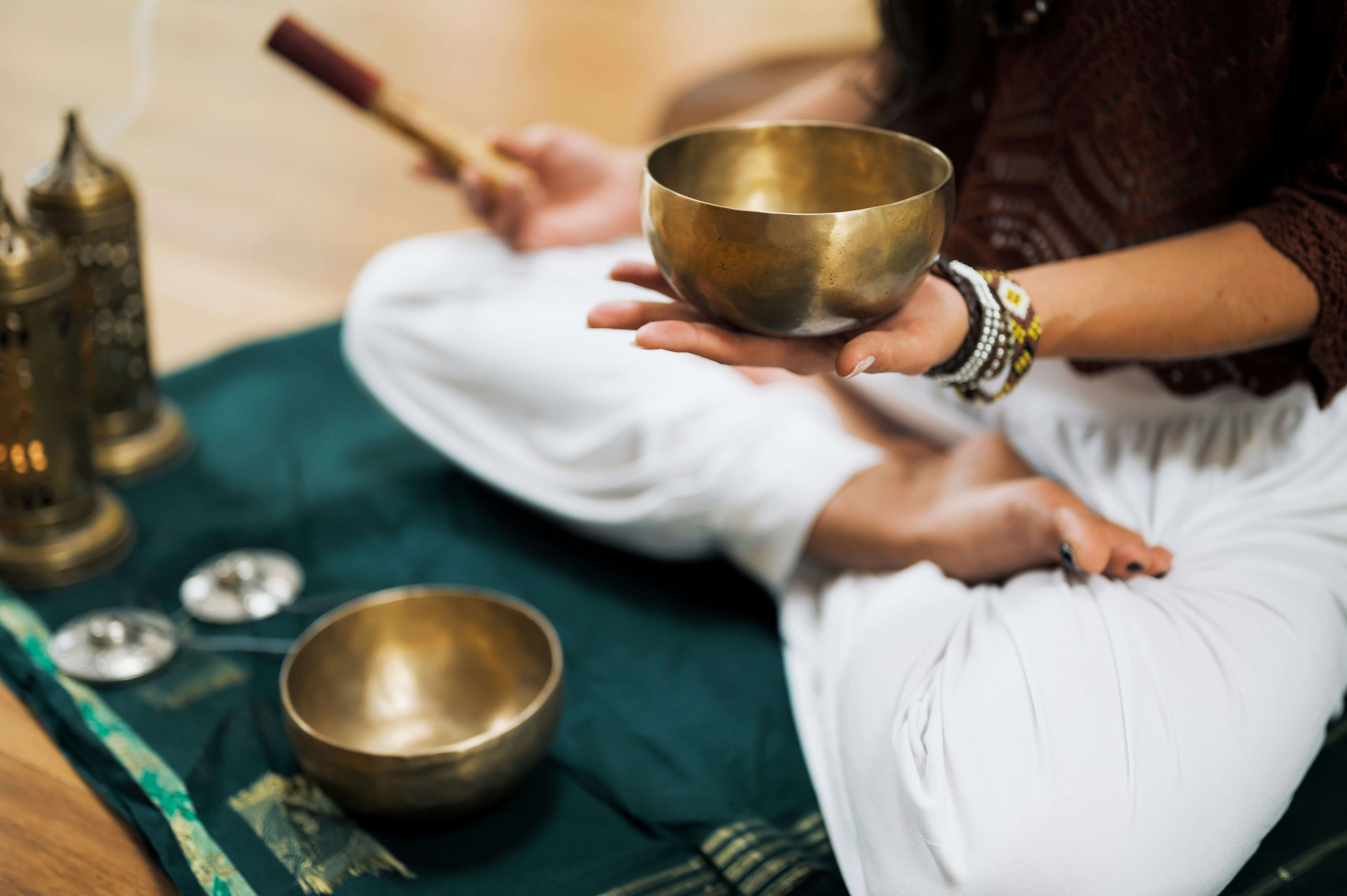
Although university is often a lot of fun, it’s no secret that it also comes with a great deal of stress. In addition to academic and social pressures, you’re adapting to a new lifestyle away from your friends and family. A key way to cope with these challenges is to use meditation and mindfulness. Neither is difficult — you can start practising immediately just by bearing a few basic tips in mind.   1. Use a Quiet Space   It’s important to practise meditation and mindfulness in a quiet space where no one will interrupt you and nothing will distract you. A comfortable spot in your bedroom or somewhere outdoors like a park is ideal. It’s best if you’re always able to use the same space because this will put you in the right frame of mind before you even begin.   2. Take Advantage of Apps   Many students feel intimidated by the idea of meditation and mindfulness because they have no idea what to do. Guided meditation solves this problem. Download an app that has several mindfulness activities to choose from, including ones of different lengths and for different times of the day.   3. Start Small   Key to developing a new habit is to start small. Trying to do meditation sessions that are too long or too frequent makes you more likely to fail. Just five minutes once a day is ideal when you’re beginning. You can always increase the amount of time later, such as by doing a longer session or by doing sessions whenever you need a break from studying.   4. Add Meditation into Your Schedule   Make sure you remember to meditate by adding it to your calendar. Make it a priority, just like you do (or, at least, should) schoolwork and exercise.   5. Join a Meditation Group   If you find it difficult to stay motivated with your meditation practice on your own, join a group. There are likely to be options on campus — if there are not, consider starting your own club. This is also a great way to meet other people who are also committed to becoming better versions of themselves.   6. Find Ways to Naturally Incorporate Mindfulness to Your Day   In addition to your scheduled meditation practice, think of ways to include mindfulness in your daily routine. This simply involves being fully present in the moment, paying attention to your sensations, and observing your thoughts without judgment. There’s no limit to when you can practise mindfulness. For instance, you may like to try it when you’re walking to class, brushing your teeth, eating, or showering. Linking mindfulness to these activities will make it easier to ensure you practise regularly.   To go a step further, you could also stop and take a few breaths. This is ideal when you’re feeling anxious or need to calm yourself, such as before an exam.   It’s difficult to practise meditation and mindfulness unless you’re able to spend time alone on a regular basis, which is difficult when you live on campus. For off-campus McMaster student housing where you’ll be able to focus on self-care, there’s West Village Suites. In addition to your spacious suite, you’ll have access to our 24-hour yoga studio, fitness facilities, dedicated study spaces, and more. Contact us for a lease.  

Read more
How to Make the Most of Your College Years-image

Some students spend most of their time studying, while others party hard and coast along in their classes.     As a college student, you need to balance your course load and social life so you get to enjoy the best of both worlds. Here are some things you can do to ensure you get a well-rounded college experience.      Get to know your professors.     Build a relationship with your professors outside of class by visiting them during their office hours. You’ll learn so much more and could even get ahead of your classmates. Plus, you might find a mentor who can give you letters of recommendation, help you find work, or offer support to help you get into graduate school .       Know that college isn’t just about academics .        Learning is not confined within the four walls of your classroom. Extracurricular activities such as workshops, internships, and part-time jobs will teach you “real world” skills that will be useful once you get your first job. You can also join a club or two, or get involved with the student body government to get the full college experience.      Explore your options.     College is all about exploration and discovery. It’s the perfect time to experiment with things that you wouldn't normally be able to do with your parents around.      Take advantage of these years so you can discover who you are and where your interests lie. You’ll never know where your passions lie if you don’t get out of your McMaster student rentals . Get out of your comfort zone and meet other people from diverse backgrounds.     It goes without saying that during this experimental phase, you need to do things in a safe way without breaking any laws. Don’t do something you will regret later on in life.     Manage your time well.     During university, you’ll be pulled in all directions — you need to study, find internships, meet friends, and exercise, all while trying to get a full night’s sleep.     Learn to prioritize the most urgent tasks. Homework and essays that are due soon should be done right away, while larger assignments can be broken down into smaller tasks.   Determine when you are most productive. Whether you’re a night owl or an early riser, you need to create a routine from the very beginning of the semester that allows you to study without any distractions .       Take care of yourself.       Do you find yourself bingeing on junk food or cramming late at night during exams week? You’re not doing yourself any favors with these unhealthy habits.     You won’t be able to concentrate on your classes on an empty stomach or if you’re sleepy from lack of sleep .       Eat well, exercise regularly, and get enough rest, and you’ll be able to handle your academic load much better.     Check on your mental health as well. If you feel stressed out and anxious, don’t be afraid to seek professional help.      Get involved.     College is the best time to become more socially aware of what’s going on around you and your community. In your own little way, let your voice be heard on behalf of the marginalized and underprivileged minorities.   

Read more