

Blog Posts

How to Cope with Midterm Anxiety-image

Experiencing some stress can actually be useful when studying for your midterms: it can motivate you, keep you focused, and ultimately lead to better results. When stress turns into anxiety, though, the opposite is true. Midterm anxiety can disrupt your sleep, cause unhealthy eating habits, and push you to use stimulants like coffee and alcohol to cope. The good news is there are ways to deal with anxiety to ensure you succeed with your midterms and maintain good mental and physical health.   Understand the Reasons for Your Anxiety   Before you do anything else, it’s useful to acknowledge what is the underlying cause of your anxiety. It may simply be normal for you to feel anxious in such situations, especially if you’re a high achiever or it’s important to you to do exceptionally well. In other cases, anxiety may stem from concerns that you are unprepared for your exams, such as if you received a low grade in a previous midterm.    Start Preparing Early   Whatever the reasons for your anxiety, it will help if you feel more prepared for your midterms. Start studying several weeks before your exams and stick to a schedule to progress methodically through the material. Keep in mind that, as long as you’ve been attending all your classes and have read all the course materials, you won’t be learning anything new — you’ll just be refreshing your memory. This should make studying feel less intimidating.   Use Various Study Approaches   Whenever you feel that you’re unable to absorb the information, switch to a different approach. Transform your notes into mind maps or rewrite them to contain just the key points. Consider what questions you may face in the exams and outline how you would answer them. Study with a group of other students or work with a tutor.   Take Regular Breaks   It’s impossible to study effectively for long periods of time without breaks — you’ll only end up feeling overwhelmed and exhausted. Figure out how long you can stay focused and take a short break after this amount of time. Make sure you also have a break between your last study session and before you go to bed to give yourself the chance to unwind. You may also like to have one day a week when you don’t study at all to give your mind a longer rest.   Learn Relaxation Techniques   Any time you feel particularly anxious (perhaps when you’re studying concepts that are especially difficult or when your midterms are fast approaching), use relaxation techniques. Breathing exercises, simple stretches, or even a short workout can all be helpful. Training yourself to relax will also be invaluable if you suffer from anxiety during your midterms to stop your mind from going blank.   Eat Well   Often, when you feel better physically, you feel better mentally as well. Eat a balanced diet consisting of healthy meals with small snacks in between. Carbohydrates like bread and cereal are particularly useful if your anxiety is making you feel nauseous. Drink plenty of water to stay hydrated. Most importantly, avoid too much sugar, as it can make you feel even more burned out when the energy boost wears off.   Know the Details for Each Midterm   Be clear about when and where each midterm is taking place to ensure you arrive on time and to the right location. Know what you’ll need to bring with you (such as pens, a calculator, and your student ID) and have everything ready in advance.   It’s common for feelings of midterm anxiety to be amplified if you lack your own personal space or if you struggle to study due to constant distractions. One solution to consider is moving into McMaster off-campus housing. At West Village Suites, you’ll have your own room in a fully-furnished apartment. We also have dedicated study spaces on site, plus a yoga studio and fitness facilities for when you need to destress . Take a virtual tour to see all the amenities.  

Read more

How to Make Your Student Apartment Cozy-image

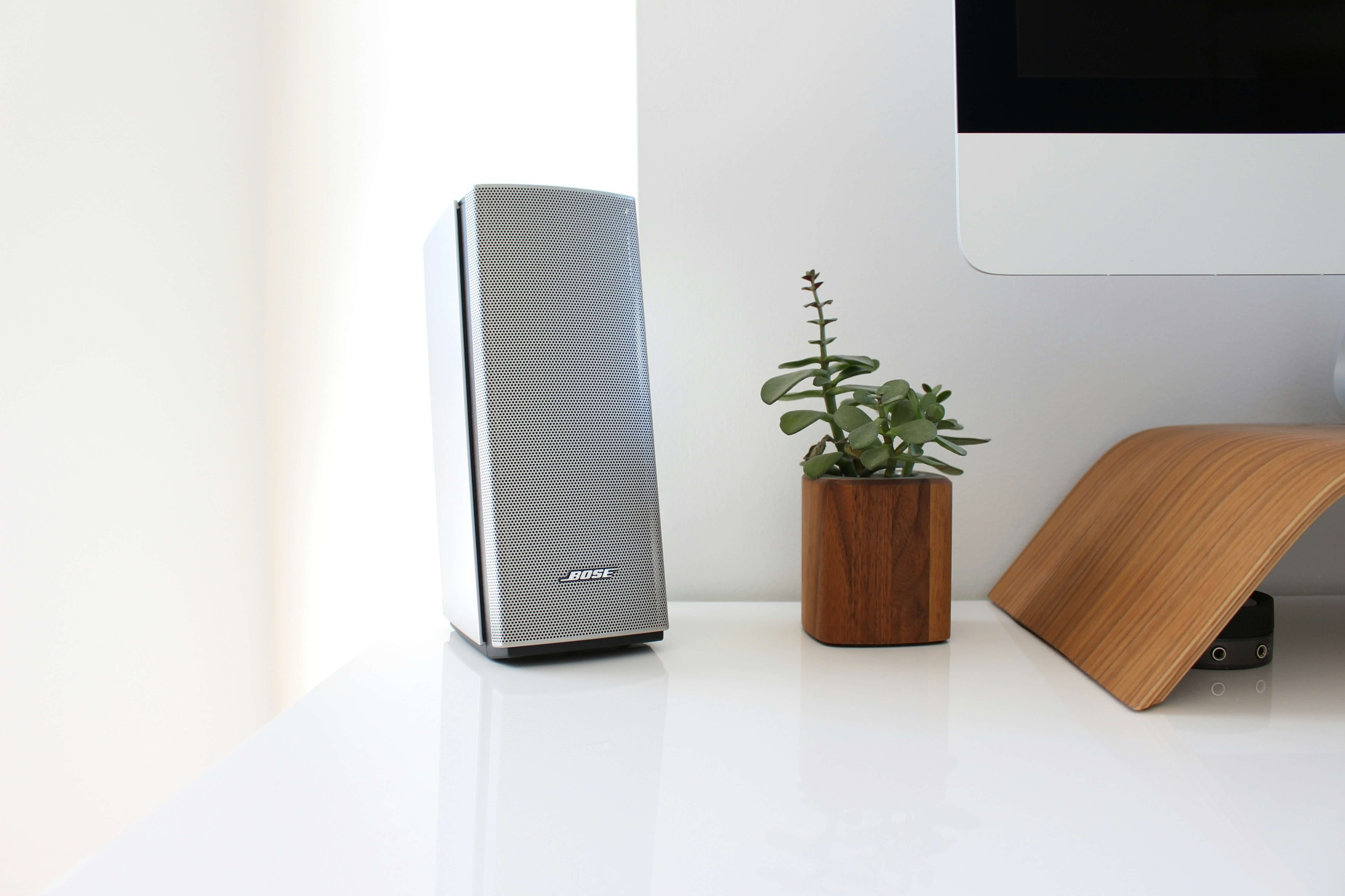
Your student apartment can feel like a place where you’re staying while away from home — or it can be a real home. To a large extent, this is down to you and how you choose to decorate the space. By making your student apartment cozy, you’ll create a place you look forward to returning to at the end of a long day and where your friends enjoy hanging out.   1. Focus on Your Bed   With classes, extracurriculars, and socializing, there may be some days when you barely spend any time in your apartment. During the time you are home, you’ll mainly be sleeping. All this means that your bed is the most important place in your apartment. Plus, it’s critical that you get enough high-quality sleep to avoid burnout and to maintain your focus. If you’re concerned about the price of comfortable bedding, bring a comforter and pillow with you.   2. Think About How You’d Describe Your Ideal Apartment   To figure out how you want to decorate the rest of your apartment, come up with some words that describe how you want to feel. You may find it’s easier to achieve what you want this way than by trying to come up with specific decorating ideas.   3. Add Some Warmth   Throw blankets, pillows, and rugs help your apartment feel much more inviting. Plus, they make the space more comfortable, especially when you have guests over.   4. Cover the Walls   Wall space gives you a vast opportunity to decorate your space. As well as framing photos and hanging posters, you could pin up a textile or flag, create a collage, or make another type of artwork — the options are almost endless.   5. Have a Spot to Relax   Designate a corner of your apartment to relaxing , whether that means reading, meditating, playing video games, or scrolling through your phone. If you don’t have a big, comfortable chair already, search for one at a thrift store or yard sale.   6. Play Music   Create some playlists that are ideal for background music. You may like to theme them by mood or activity, including for studying, working out, and having friends over. Add all your old favorites from over the years and songs you associate with good memories to lift your mood. Buy a decent pair of speakers that reach a high enough volume for parties.   7. Create a Warm Glow   With a light timer, you can make sure that your home is inviting when you return in the evening, especially during the winter when the days are short. You can also use the timer to wake up in the morning to a gentle glowing lamp instead of a dark room.   It’s much less work to make your new home cozy if you search for furnished student apartments. Hamilton students can find suites with upgraded furniture and equipped with everything they need at West Village Suites. In fact, the entire building is welcoming — from the renovated lobby to the games room and fitness centre . Apply now to secure your spot.  

Read more
9 of the Best Student Activities for Winter-image

One of the great things about winter is the variety of activities you can try that are not possible the rest of the year. From sports to indoor activities, there’s something for everyone. Here are a few ways to have fun while passing the time this winter.   1. Snowball Fight   When there’s snow on the ground and students around, pick up a snowball and throw it at someone ( steering clear of their face, of course). If you choose your target well, this will start a snowball fight. Best of all, since you’ll be the only one prepared, you’ll be in a prime position to win.    2. Cookie Baking   There are so many cookie recipes you could try — easily enough to spend several hours baking and decorating. It’s even more fun when you involve friends. While you could do this any time of the year, baking is the perfect winter activity because you have the excuse to use seasonal cookie cutters to make shapes like Christmas trees, snowflakes, stockings, and reindeer.   3. Snowboarding   If you’re looking for a new challenge and you’ve never tried snowboarding before, this year is your chance. Renting the gear you need can be inexpensive — you could even ask another student. It may take you a while to get the hang of snowboarding, but as soon as you find your balance on the board, you should find that everything falls into place. Just be aware that it’s difficult to know when someone is coming up behind you to avoid crashes.   4. Ice Skating   Another sport that is difficult for a while, but rewarding once you’ve learned it, is ice skating. Whatever your current level, it’s a fun activity to do with friends, whether you find an indoor rink or a frozen lake.   5. Skiing   One more classic winter sport is skiing. This may be a good choice if you find snowboarding to be frustrating, as you’ll pick it up faster — although it takes longer to become good at skiing. It’s worth taking some beginner lessons to avoid accidents, including broken bones.   6. Sledding   There are also physical activities that involve almost no skill whatsoever — namely, sledding. All you need is a hill and something you can use as a sled. It’s best of all if your friends all bring their own sleds, as you can then have races.   7. Snowman Competition   For more friendly competition, see who can make the best snowman. If you’re able to gather a large group of people, you can even have different categories , such as the largest, most unique, and ugliest.   8. Binge Watching TV Shows   It’s common to spend more time indoors over the winter, even if you do enjoy winter sports. For this reason, winter is a great time to discover new TV series, perhaps even binge watching entire seasons.   9. Game Night   An alternative idea on a cold evening is to ask your friends to bring whatever card games and board games they have over to your place. As a group, you can then select the best to play. If it proves popular, you could make game night a regular event.   It’s comforting to have somewhere cozy you can call home to return to after many hours in the snow. At West Village Suites, we offer student housing with everything you need and want, including upgraded furnishings, a fitness facility, and utilities included in the rent. Our McMaster student rentals are also ideal for hanging out with friends, whether you want to bake, play games, or watch movies. Check out our virtual tours to see for yourself before you sign a lease

Read more
6 Journaling Prompts for Students-image

When you’ve had enough studying for the day, you can keep a journal as a form of self-care. Journaling is great because it allows you to meditate on your goals, track your progress, reduce stress and anxiety, and find inspiration in the ordinary.      To start your journaling journey, get a notebook and pen, and establish a writing routine. Set time to write every morning after you wake up, or every evening before bed.     The blank page may intimidate you at first, but the key here is to just get started. It might take a lot of trial and error to find out what journaling method works for you. But if you don’t know where to start, here are some journaling prompts that can help:     Daily Affirmations   Positive affirmations are important because they can brighten your outlook on the world when you say them to yourself, or in this case, write them down in a journal.     The power of words will make you ready to face the challenges of the day. For example, you can write down a quote from a famous person who inspires you.      The Morning Show   Journaling in the morning can help if you dread getting out of bed, or if you feel stressed or anxious when starting your day. It will make you feel calmer and more grounded in reality. You can write down your to-do list, which will serve as a guide as you go about your day.     The Thank You Note   Make a note of the things that you are grateful for on the day. Keeping a gratitude journal means you are acknowledging the goodness in your life. Instead of simply listing down the good things that happened to you, you can write about what your life would be like without certain people or things. You can even write how some of the negative outcomes you have experienced turned into something positive.     The Praise Journal   Maintain a list of achievements, big or small. You can write down the positive remarks you received from a professor, or paste a copy of the stellar grades you received. You can revisit these anytime you’re feeling less than stellar about your studies.      The Future You   Imagine where you want to be five or ten years from now. You’re probably envisioning how far you’ve come from living in the student apartments near McMaster . This will help you determine your short- and long-term goals and to see if your current situation aligns with these goals. This prompt will help you get to know yourself a little bit better, and discover areas within your life that may need improvement. You can reflect on the changes you have to make to achieve these goals.     The Challenges     A journal can be a safe space to express the challenges you’re going through. By writing down your thoughts in a journal, you become more self-aware and work through the thoughts that you might struggle to share out loud .      Make journaling a daily habit to become a better person. This simple habit of writing down your thoughts can have a huge impact on your mood, mindset, and motivation.  

Read more
How to Get the Best Night of Sleep at University-image

Staying late at night to cram for a test can lead to sleep deprivation and serious health conditions. You might not be feeling the effects right now, but you will feel its aftereffects in the long run .     You’ll experience daytime sleepiness, brain fog, lack of focus, and headache . These could impact your academic performance and personal relationships.     You won’t be young forever, which is why it’s important to establish nighttime habits as early as now to improve your sleep quality.     Avoid stimulants     Do not drink coffee or alcohol in the late afternoon. These stimulants will make you sleep lightly and wake up more often during the night.     Having a puff of cigarette is also not advisable since nicotine is another form of stimulant. It should be avoided for at least two hours before bed .           Avoid gadgets     Blue light stimulates that part of the brain that keeps us alert, which could change our circadian rhythm. It also suppresses the release of melatonin in our body, making it harder for us to sleep.      Smartphones, TVs, computer screens, and tablets all emit a strong blue light, which is why you should keep them out of reach once it’s time for bed.     Establish a bedtime routine     University students are creatures of habits, and having a night routine signals the brain when it’s time to sleep. This routine includes the same set of calming activities you regularly perform, such as reading, journaling, meditation, or a warm bath.      Create sleep-friendly environment     Sometimes, all it takes is a fresh change of linens to achieve a restful sleep. You can also install blackout curtains in your windows to prevent light from seeping through, or enjoy a favourite scent with an aromatherapy diffuser to lull you to a deep sleep.     Ease late-night cravings     If you’ve had an early dinner, you might experience hunger pangs that could prevent you from falling asleep. Eat or drink something light because a full belly can lead to indigestion, acid reflux, and frequent trips to the restroom. You can try eating some fruits, nuts, or yogurt while drinking lavender or chamomile tea .          Listen to audio sleeping aids     Music is a great alternative to gadgets. You can create a playlist of songs that will put you in a sleepy mood. Color noises can also put you to sleep. If you have noisy roommates in your McMaster student rentals, you can use white noise (a whirring fan, a TV static, or a humming air conditioner) to block the sounds out.     Pink noise is the milder and more soothing version of white noise (nature sounds like waves crashing or rain falling). Brown noise is deeper and stronger than the two (sound of a loud thunderstorm or a heavy rainfall).     Use your bed for sleeping     You might find your bed as the most comfortable place to study, with plenty of space to spread your notes and books around. But when you study from your bed, your brain starts to associate it with school.      You should establish clear lines between where you study and where you rest. So don’t use the bed when studying, doing homework, or any other activity that may cause anxiety.     By using these tips, you’ll have better sleep, as well as better memory, improved grades, and stronger immune system.    

Read more
6 Tips for Staying Motivated at University-image

When your classes are hard, you dislike a professor, or you’re just struggling to maintain your focus, it can be difficult to stay motivated at university. However, motivation is what will keep you going until graduation and ensure you achieve the best grades possible. Although there will undoubtedly be times when you lose your motivation, it’s usually possible to regain it.   1. Learn to Develop a Positive Mindset   Whenever you start having negative thoughts, reframe them as something positive. For instance, if you start worrying about your performance in a particular class, think about what you’ll gain from the challenge. Remind yourself that you can meet your goals. After all, if you’re unable on your own, you can always turn to your support system of professors, tutors, and academic support services.   2. Create a Flexible Schedule   It’s great to have a schedule to keep you on track for completing assignments and preparing for tests. However, you’ll benefit most from a schedule if it’s flexible. This will allow you to compensate for tasks that take more time than you originally thought, fluctuating energy levels, and unexpected circumstances. As long as you’re disciplined and don’t allow yourself to fall behind, you’ll find that having a flexible schedule is much better for your progress and motivation.   3. Become Better Organized   It’s hard to stay motivated when you’re disorganized. Every time you sit down to study, you need to face clutter and you may even waste time searching for notes. Dedicate a day to organizing your workspace and laptop. Once you’ve created a system for where you’ll keep things, make sure you stick to it. Never leave items lying around on your desk — put them back where they belong, or you’ll find you quickly slip back into disorganization.   4. Write Down Your Top University Achievements   It can be easy to forget what you’ve already achieved at university. A useful exercise when you’re feeling demotivated is to write down all your achievements so far, no matter how small. Include anything from receiving a high grade on a difficult assignment to great feedback from a professor. Keep a list and add new accomplishments to it. You’ll be able to turn to it whenever you need motivation.   5. Prevent Distractions   It’s difficult to maintain your motivation if you’re constantly facing distractions. These could be external (such as noise) or internal (like the temptation to look at your phone when you should be studying). Prevent both types of distractions by finding a place where you can concentrate, turning off the notifications on your phone, and committing to study for a set amount of time.   6. Take More Breaks   Be reasonable when setting the length of a study session. If you try to keep going for too long, you’ll not only feel demotivated and lapse into bad habits ; you’ll also find it impossible to maintain your concentration. Figure out how long you can reasonably stay focused and schedule a short break for a relaxing activity after this amount of time. You’ll find that you make much more progress this way than if you try to complete an entire assignment in one go.   It’s easier to stay motivated when you can return home to an apartment you love. For an alternative to McMaster residence, there’s West Village Suites. You’ll have your own bedroom with a quiet place to study and plenty to keep you entertained when you’re not studying, including a fitness centre , yoga studio, and games room. Plus, our student housing is just steps for campus, meaning there’s no need to stress about how you’ll arrive to class. Apply now to secure your spot.  

Read more